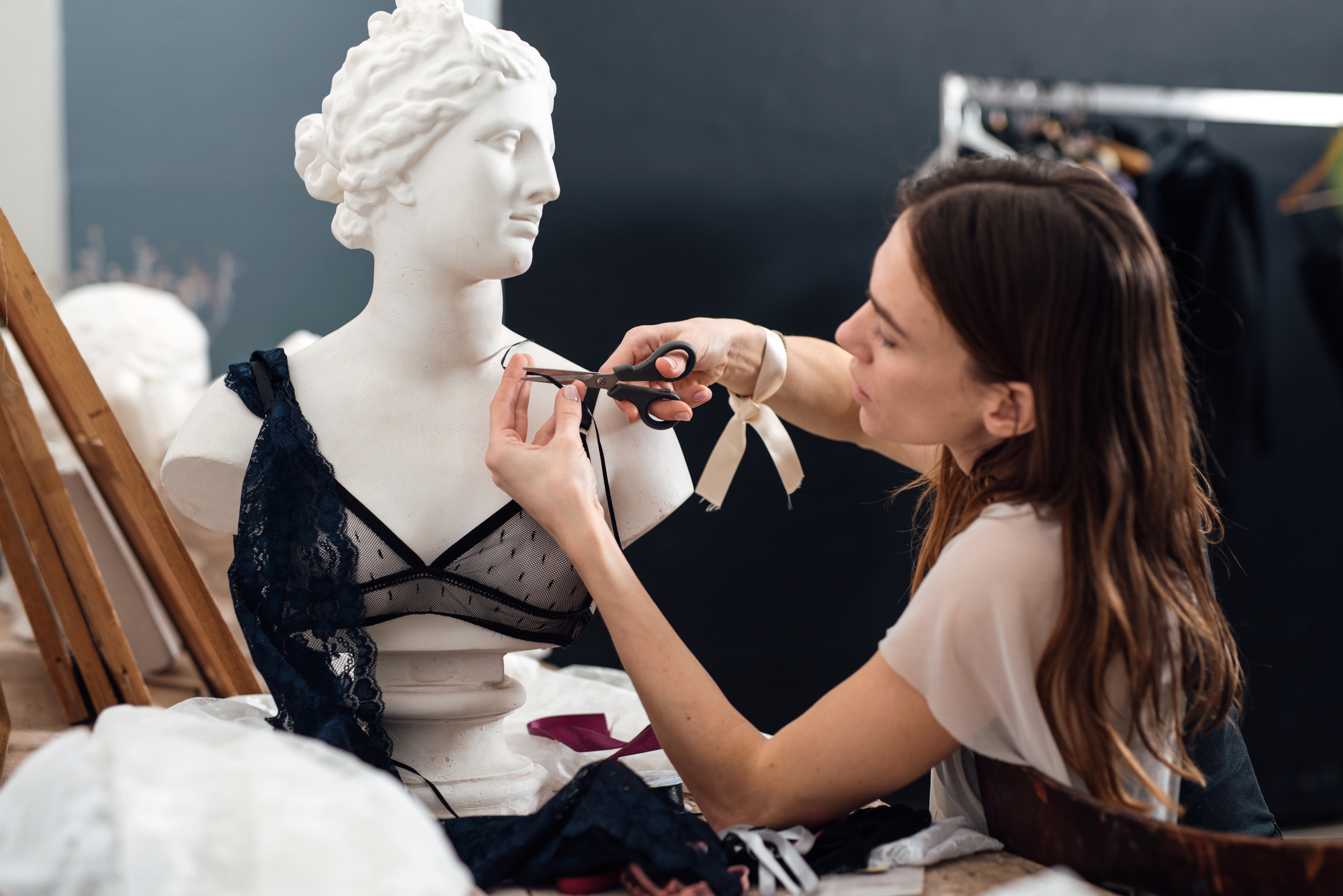
1. How to Find Your Design Identity: Discovering your aesthetic and target audience. (Discovering Your Aesthetic and Target Audience)
Every fashion brand starts with an idea but turning that idea into a recognizable identity is where the magic happens. Your design identity is what makes people say, “That’s so YOU” when they see your work. It’s not just about clothes; it’s about the lifestyle, the vibe, and the story behind them.
Step 1: Define Your Aesthetic
Are you drawn to clean, minimalist lines or bold, bohemian patterns?
Do you imagine your designs on city professionals, festival goers, or luxury shoppers?
Create a mood board with colors, textures, and inspirations that feel most aligned with your vision.
Step 2: Know Your Customer
You’re not just designing for yourself—you’re creating for a specific type of person. Ask:
• What’s her age range?
• Where does she shop?
• What’s her lifestyle (corporate, creative, relaxed, luxury)?
The clearer your “muse” is, the easier it becomes to design consistently.
Step 3: Marry the Two
Your aesthetic + your audience = your identity. If you love chic tailoring and your audience is ambitious women in their 30s, your brand might evolve into sleek, office-to-evening pieces. If you’re obsessed with flowy silhouettes and your audience is free-spirited 20-somethings, your brand could lean into boho-luxe resort wear.
💡 Pro Tip: Write a brand “style statement” in one sentence. Example: “I design feminine, luxury pieces for modern women who want to feel like goddesses every day.”
2. Do You Really Need Fashion School? Pros, cons, and alternatives.

The first question many aspiring designers ask: Do I have to go to fashion school? The truth is, there’s no one-size-fits-all answer. Plenty of successful designers (Coco Chanel, Karl Lagerfeld, Virgil Abloh) took unconventional paths. Let’s break it down.
Pros of Fashion School
• Technical Training: You’ll learn pattern making, draping, sewing, and garment construction.
• Industry Connections: Many schools connect you with internships, mentors, and even buyers.
• Credibility: Saying you studied at Parsons or Central Saint Martins does open doors.
Cons of Fashion School
• Cost: Tuition can be insanely expensive.
• Time: Four years is a big commitment if you want to launch quickly.
• Not Always Necessary: Many skills can be self-taught or outsourced.
Alternatives to Fashion School
• Online courses in design, sewing, or business.
• Local sewing/pattern classes.
• YouTube and online communities.
• Hiring a pattern maker or sample sewer if you’re stronger in the creative direction side.
💡 Real Talk: If you’re serious about fashion as a career, learning the craft helps. But if your strength is vision + branding, you can absolutely hire talent to support you.
3. Creating a Business Plan for Your Brand (Without the MBA Jargon).
Yes, you’re creative. But fashion is a business, and businesses need structure. Don’t worry—your business plan doesn’t have to be a 100-page snoozefest. Here’s how to keep it simple and powerful.
1. Vision & Mission
• Why are you starting this brand?
• What makes you different?
2. Target Market
• Who is your dream customer?
• Where do they shop?
• How much are they willing to spend?
3. Collection Overview
• How many pieces in your first drop?
• What styles or categories? (dresses, tops, swimwear, etc.)
4. Budget & Pricing
• Costs: fabric, production, marketing.
• Pricing strategy: direct-to-consumer, wholesale, luxury vs. accessible.
5. Marketing Strategy
• Website + social media platforms.
• Content plan (photoshoots, reels, behind-the-scenes).
• Launch ideas (pre-orders, influencer collabs, pop-up shops).
💡 Pro Tip: Think of your business plan as your roadmap. It should be easy to update as you grow. Even a 2–3 page plan can keep you focused.
4. How Many Pieces Should Be in Your First Collection?


You’re ready to design, but the question looms: How many pieces do I actually need? Too few, and your brand looks unfinished. Too many, and you’ll drown in costs. Let’s break it down.
Option 1: Capsule Collection (5–8 pieces)
Perfect for beginners. A tight collection that showcases your aesthetic without overwhelming your budget. Think: one signature dress, a versatile top, a statement outerwear piece, and a couple of easy basics.
Option 2: Small Collection (8–12 pieces)
Still manageable but gives buyers more variety. Works well if you want a balance of everyday pieces + statement designs.
Option 3: Full Collection (12–20 pieces)
More ambitious and risky for a first-timer. Great if you have funding and a strong production partner.
💡 Pro Tip: Quality > quantity. A few well-designed, beautifully made pieces will do more for your brand than 20 rushed designs. Remember, many successful labels launched with just one iconic piece.